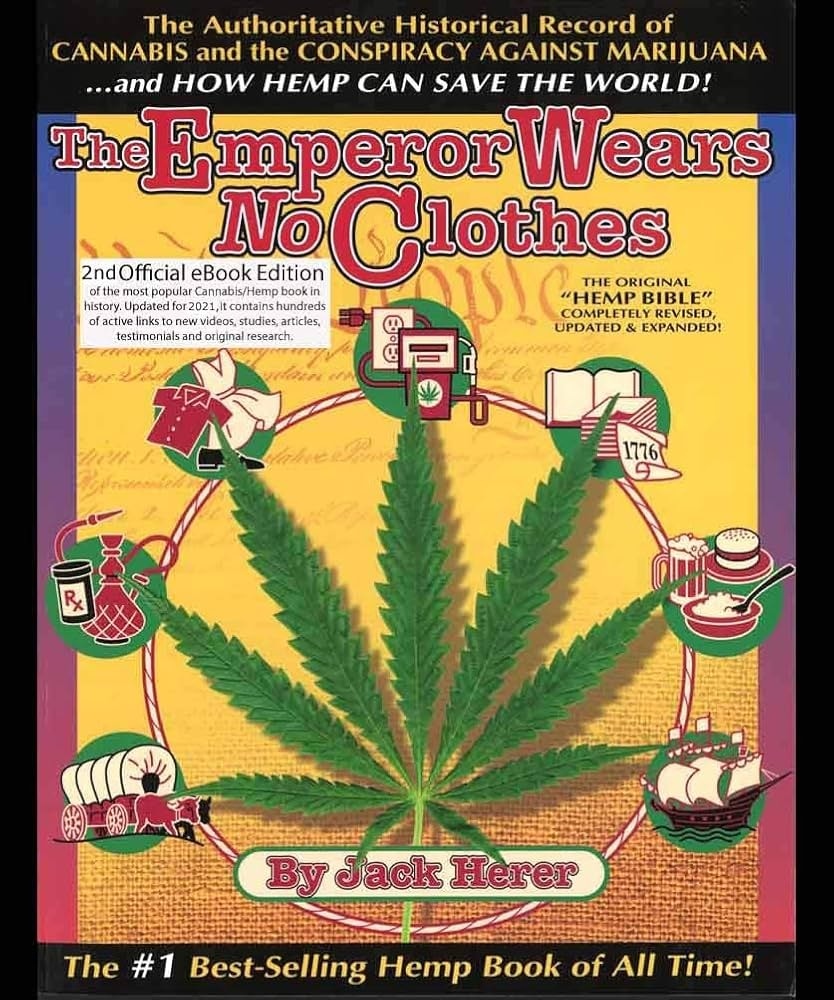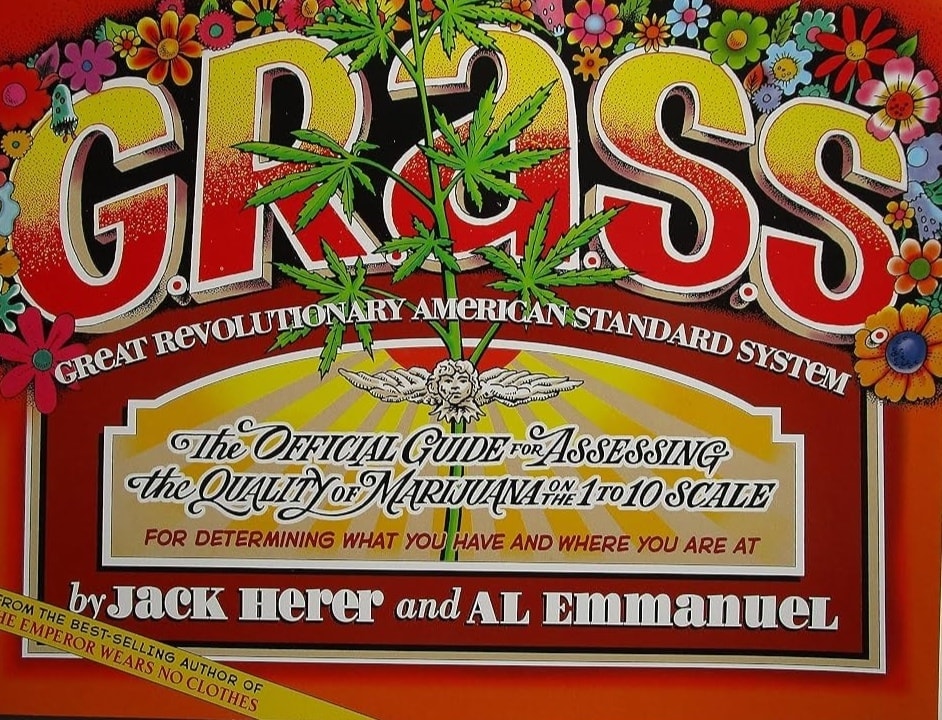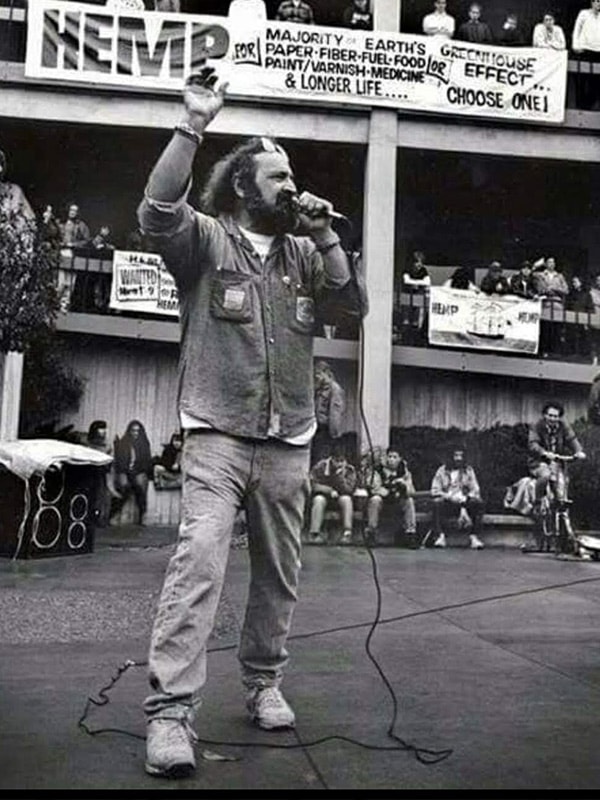
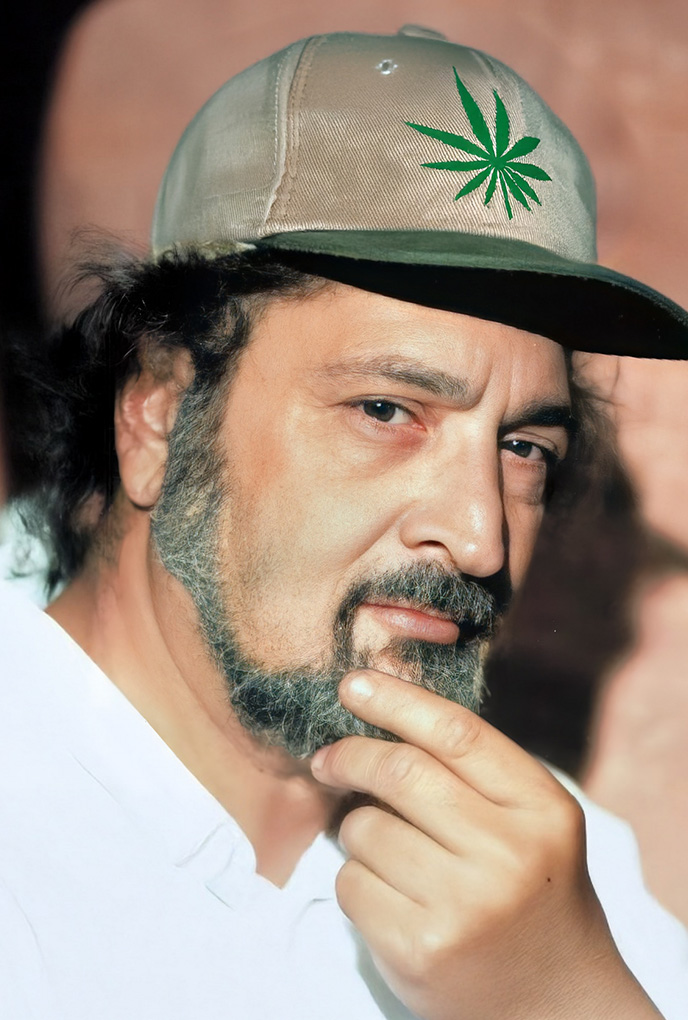

Jack Herer didn't just write a book. He wrote a gospel. The Emperor Wears No Clothes wasn't some pamphlet you skimmed and shelved; it was a lit match thrown into the dry timber of prohibition. For decades, the man with the white beard and the boundless, righteous energy walked the earth as cannabis culture's most relentless prophet. He fought for the plant not as a vice, but as a sacred key to healing the planet's economy, its ecology, and its soul. He was generous with his truth, famously declaring that the strain that bore his name should belong to everyone, an open-source gift to a global community. When he passed in 2010, he left behind a legacy soaked in love, activism, and the unmistakable smell of freedom.
He also left behind a widow, Jeannie Herer, a son, Dan Herer, and a community of true believers who loved him. Among those true believers was a man named Randall Foreman. Randall didn't love Jack for what his name could be monetized into; he loved Jack for who he was and what the cannabis plant represented. Out of that pure love, Randall created the Jack Herer Cup. It was his vision, his work, and his tribute.
He went to Jeannie with humility and respect, asking for her grace and blessing to create an event in Jack's honor. She gave it willingly, seeing in Randall a custodian of her husband's memory who asked for nothing but the chance to celebrate the man and the plant. And so, for eight successful years, the Jack Herer Cup thrived in Las Vegas, growing into a beloved institution on the cannabis calendar. It united industry pioneers, growers, and consumers in a positive celebration. When the pandemic upended the world, the event showed its resilience, pivoting to a successful year in Oklahoma. Its international reach expanded further with an event in Thailand, spreading Jack's message of freedom and hemp advocacy across the globe.
Jeannie was always there, a radiant presence at the heart of the event, welcoming and honoring the people who won. The very first year, she herself received an award, a recognition of her place as the keeper of Jack's flame. The cup was more than a tribute; it was her only source of income beyond Jack's Social Security that she collects. It was her lifeline. The cup belonged to Randall as its creator and owner, but it served Jeannie in a way that honored both Jack's memory and her wellbeing. She owns 50% of the estate. Dan owns less than 8%. Yet it was Dan who would take everything from her.
Dan was allowed to come to the event. He was never turned away. But he was never the man on stage, never the person pulling the strings, and that ate at him. He always had negative things to say, standing at the edges of an event that honored his own father, resentful that the spotlight fell on someone else. Rather than contribute, rather than support a beautiful thing done in his father's name, he seethed.
Then came the lawsuit. Dan took Randall to court in California, wielding a contract that had been written by Dan's partner, Latif. That contract was a trap. It was intentionally drafted with key parts left out, with financial matters not correctly spelled out, a document built not to memorialize an agreement but to create a weapon. Randall fought back, but the legal costs became a hemorrhage. His side burned through over $180,000 in lawyer fees. Meanwhile, Dan's legal expenses soared past $300,000—money being set on fire, wasted in a grudge match that served no one and honored nothing. Randall finally looked at the ruinous cost, the pointlessness of the fight, and the reality that he was bleeding out against an opponent who would never stop, and he walked away. Dan won a default judgment, a hollow victory paid for with legal fees that could have funded years of the very event he was suing to control.
With the cup now in his hands, Dan, along with his associates Adam Scott Greene, Abi Wright, and B. Grand, attempted to run the event themselves in Las Vegas. It was a spectacular failure. Stripped of its heart, its true creator, and the community that had made it great, the event was a hollow shell that lasted only one disastrous year.
The Jack Herer Cup has never been held again. Dan didn't just win a lawsuit; he single-handedly destroyed a legendary event born from one man's love for Jack Herer and the cannabis plant. And in doing so, he took away Jeannie Herer's only source of income beyond Social Security, a woman who owns 50% of the estate to his less than 8%. He extinguished a legacy that was never his to claim, punishing the very people who had kept his father's name shining in the light.
The Old Guard Left Out in the Cold
To understand the full depth of the wound, you have to start with Joyce Cenali. She wasn't just a business contact; she was a decades-long friend, a fellow activist who had stood beside Jack in the trenches of the movement. After Jack died, she saw the name "Jack Herer" not as a lottery ticket, but as a sacred flame that needed tending. She and Dan made a deal, sealed with the old-school currency of a handshake, to build Herer Brands, LLC together, fifty-fifty. She would run operations, drawing on a lifetime of trusted relationships. Dan would be the face, the son carrying the torch.
It was a classic legacy-era cannabis partnership, built on faith because for generations, being an outlaw meant your word was your only contract. For a time, it worked. Then, as the brand started generating real money in a newly legalizing world, the door slammed shut. According to a lawsuit she filed in her 70s, Cenali was suddenly locked out of bank accounts, cut off from the company's assets, and pushed aside. The handshake, that relic of a more honorable underground era, had proven worthless against the cold mechanics of profit. Dan's side argued there was never a formal deal, just talk. But for those who knew the old ways, the message was clear: the son had just told his father's dearest allies that their loyalty was a liability.
A Name Hunted by Its Own Heir
What followed was a betrayal of Jack's most fundamental principle. The strain Jack Herer had become a cornerstone of modern cannabis genetics, and Jack himself had always treated it as a gift to the people. But Dan, wielding the trademark like a weapon, began firing cease-and-desist letters into the heart of the community. Small breeders who had lovingly preserved the genetics for decades, legacy seed banks that operated on passion, tiny dispensaries with a framed photo of Jack on the wall—they all received the same threatening letter. The name that was supposed to set the plant free was now being used to cage it for a single family's profit. The message, again, was brutal: your love for my father means nothing; your compliance with my business plan means everything.
A Million-Dollar Smoke Ring
In the cannabis trade, a "front" is a sacred bond. A grower or extractor, often a small family operation living crop-to-crop, hands over pounds of their life's work on consignment, trusting they'll be paid after the sale. Dan Herer, carrying the name of the people's champion, came calling on these families. They opened their gardens and their hearts, proud to supply the official "Jack Herer Brand" flower and pre-rolls. They saw it as an honor. They saw it as carrying on the mission.
They didn't see the knife. According to a chorus of devastated voices in the community, the product would sell, the dispensary checks would clear, and then… silence. Accounts of unpaid fronts accumulated into a staggering figure, allegedly approaching $1.5 million. These weren't faceless corporations he was allegedly stiffing; they were the legacy farmers, the sticky-fingered true believers who had kept Jack's strain alive in garages and basements for a generation. One by one, they realized they had been used as unsecured, zero-interest lenders to a scheme that bled them dry. The son of the people's hero had allegedly become a man who broke bread with you at dinner and then broke your family's bank account at closing time.
The Ponzi Scheme Disguised as a Prophet's Cloak
If the fronts were a sin against the cannabis working class, what came next was an alleged crime against the name itself. A group of investors, many of them older and far outside the insular world of weed culture, filed a civil lawsuit that reads like a thriller. They claim Dan Herer ran a Ponzi scheme. He allegedly sold them unregistered securities, promising astronomical returns from global licensing deals for the legendary Jack Herer name. He painted a picture of an empire that was already a done deal.
The lawsuit alleges it was all smoke. The magnificent licensing deals either didn't exist or were vastly overstated. The money from new investors wasn't used to build a global hempire; it was allegedly siphoned off to fund a lifestyle that looked nothing like his father's humble advocacy, and crucially, to pay off earlier, panicked investors—the classic, textbook structure of a confidence trick. When the music stopped, a trail of people were left claiming they had lost life savings, having invested not just in a company, but in the sacred, gilded memory of a great man. Jack Herer's name, a symbol of truth-telling, had allegedly been used as the primary lure in a financial fraud.
The Final Wound
This is the tragedy that those old friends of Jack carry in their hearts. They didn't just lose business deals; they watched a sacred text be rewritten into a ledger of debts and despair. Randall Foreman, a man who acted out of pure love, lost his creation in a legal ambush built on an intentionally flawed contract. Jeannie Herer, who owns 50% of the estate to Dan's less than 8%, lost the event that had been her only source of income beyond Social Security. Joyce Cenali and countless others only ever wanted to see a great man's name continue in the spirit he lived it. Instead, they became collateral damage in an operation that treated that name not as a trust, but as an asset to strip-mine. The Jack Herer Cup, once a celebration that spanned continents, has been silenced forever after a single, failed attempt to run it without its true creator.
Jack Herer once wrote, "I don't want to be a guru. I want to be a messenger." His message was one of liberation, given freely to the world. The crushing irony is that his own son, the heir to that message, is now accused of turning it into a toll booth, and then allegedly skipping town with the coins. The legacy isn't just damaged; it has been hollowed out. The giant's shoes remain empty, not because they were too big to fill, but because the one who tried to claim them chose a path that led far, far away from the sun.


Do you have questions or comments about the event?
We use cookies to analyze website traffic and optimize your website experience. By accepting our use of cookies, your data will be aggregated with all other user data.